

Durlabh Darshan Kendra Ayodhya is changing how pilgrims connect with the city’s sacred shrines. Developed in partnership with the Ayodhya Development Authority (ADA), this virtual reality-powered centre offers devotees an immersive, close-up darshan experience without the long queues that have become common since the Ram Mandir consecration.
For a city that welcomes millions of pilgrims every year, Durlabh Darshan Kendra Ayodhya represents a thoughtful blend of devotion and technology — one designed to make sacred experiences more accessible to everyone, from elderly devotees to first-time visitors.
What Is Durlabh Darshan Kendra Ayodhya?
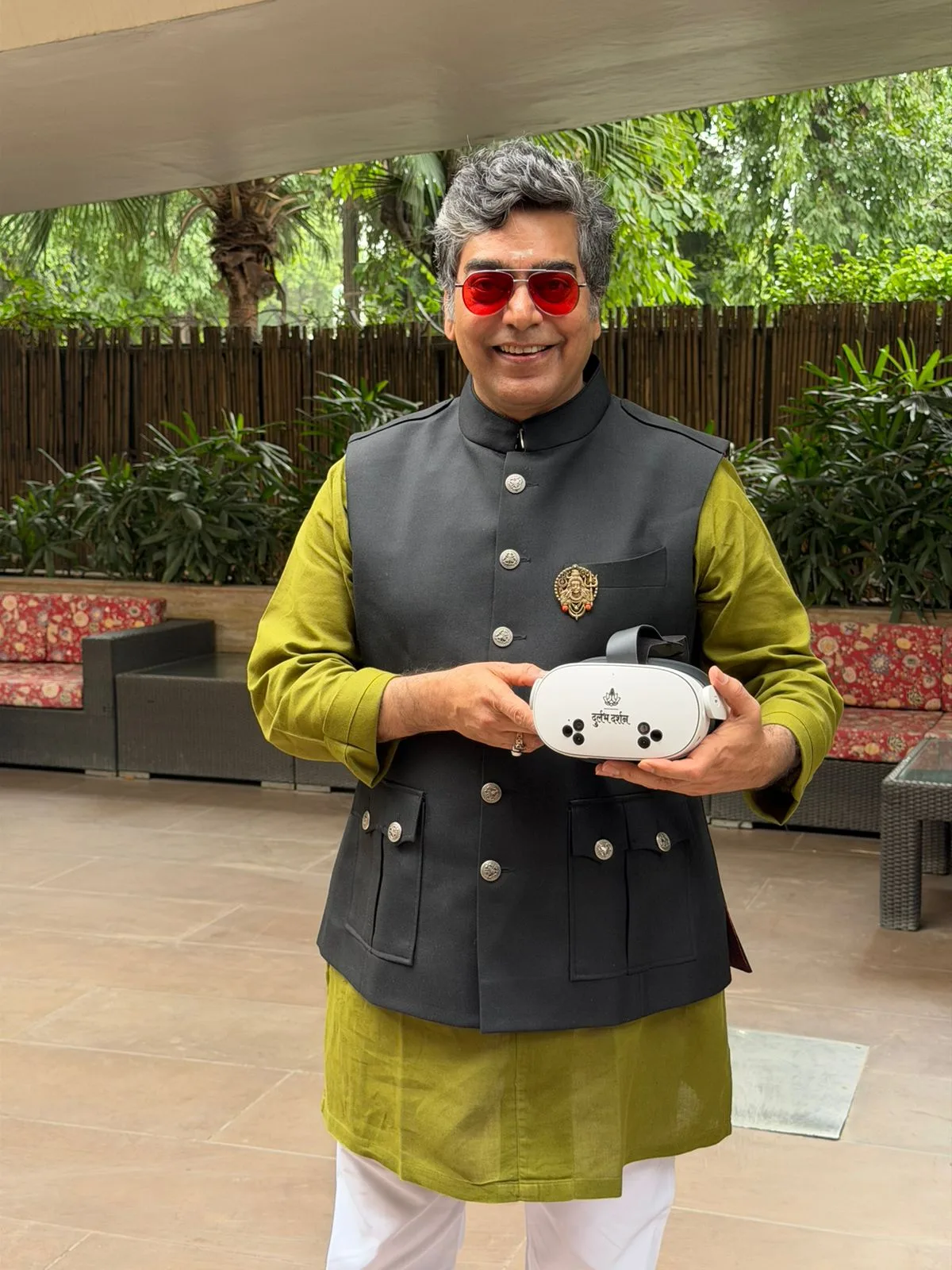
“Durlabh Darshan” translates to “rare darshan,” and that’s exactly what Durlabh Darshan Kendra Ayodhya delivers. Using 3D and 360-degree virtual reality, visitors get an intimate, sanctum-style view of deities and rituals, complete with spiritual narration and ambient temple sound.
The Ayodhya centre, located near the historic Hanuman Garhi temple, is part of a larger initiative by TechXR Innovations, the spiritual-tech company behind the Durlabh Darshan brand. The Ayodhya Development Authority partnered with TechXR to roll out these centres along key pilgrimage routes, including the Ram Van Gaman Path, in order to serve the growing number of pilgrims visiting the city each year.
How the Durlabh Darshan Kendra Ayodhya Experience Works
Each session at Durlabh Darshan Kendra Ayodhya typically lasts 10 to 15 minutes and is priced affordably, usually between ₹150 and ₹250. Visitors can expect:
- A virtual sanctum (garbh griha) view of the deities, recreating the closeness normally reserved for special occasions
- Recreated aartis and rituals presented with spatial audio
- A guided tour of Ayodhya’s most significant shrines and devotional sites
This format is particularly valuable during high-footfall periods such as Deepotsav and Ram Navami, when physical access to temple sanctums can be extremely restricted.

Why Durlabh Darshan Kendra Ayodhya Matters for Pilgrim Infrastructure
The Ayodhya Development Authority’s involvement in this project reflects a broader effort to modernize the city’s pilgrim infrastructure without diluting its spiritual character. As tourism in Ayodhya continues to surge, VR-based darshan centres help address several practical challenges.
They reduce congestion at high-traffic shrine entrances, offer an accessible alternative for elderly visitors and NRIs, and create a structured, ticketed model that supports continued investment in temple and city infrastructure. Durlabh Darshan Kendra Ayodhya also extends the city’s spiritual reach beyond its physical boundaries through complementary at-home VR kits and app-based subscriptions, allowing devotees abroad to participate in darshan remotely.
Visitor Experience and Reviews
Feedback on platforms like Tripadvisor has been largely positive, with many visitors praising the clarity of the VR visuals and the convenience compared to standing in long physical lines. Several reviewers specifically highlighted how Durlabh Darshan Kendra Ayodhya helped them feel present during major festival rituals they couldn’t attend in person, such as Deepotsav celebrations.
For more on Ayodhya’s broader pilgrim facilities and city planning initiatives, the Ayodhya Development Authority’s official website offers updates on ongoing infrastructure projects.
The Bigger Picture: Expansion Beyond Ayodhya
The model behind Durlabh Darshan Kendra Ayodhya isn’t limited to this one city. Similar centres now operate at other major pilgrimage sites, including Kashi Vishwanath in Varanasi, Mahakaleshwar in Ujjain, Vaishno Devi in Katra, and Maa Sharda Devi in Maihar. The company behind the initiative has outlined plans to expand to 40–50 locations across India, including smaller Tier 2 and Tier 3 cities, as well as international markets serving the Indian diaspora.
As Ayodhya continues to grow as one of India’s most visited spiritual and tourist destinations, partnerships like the one behind Durlabh Darshan Kendra Ayodhya point toward a larger trend: using technology to make India’s sacred heritage more accessible to a global audience, while preserving the emotional depth of traditional darshan.