

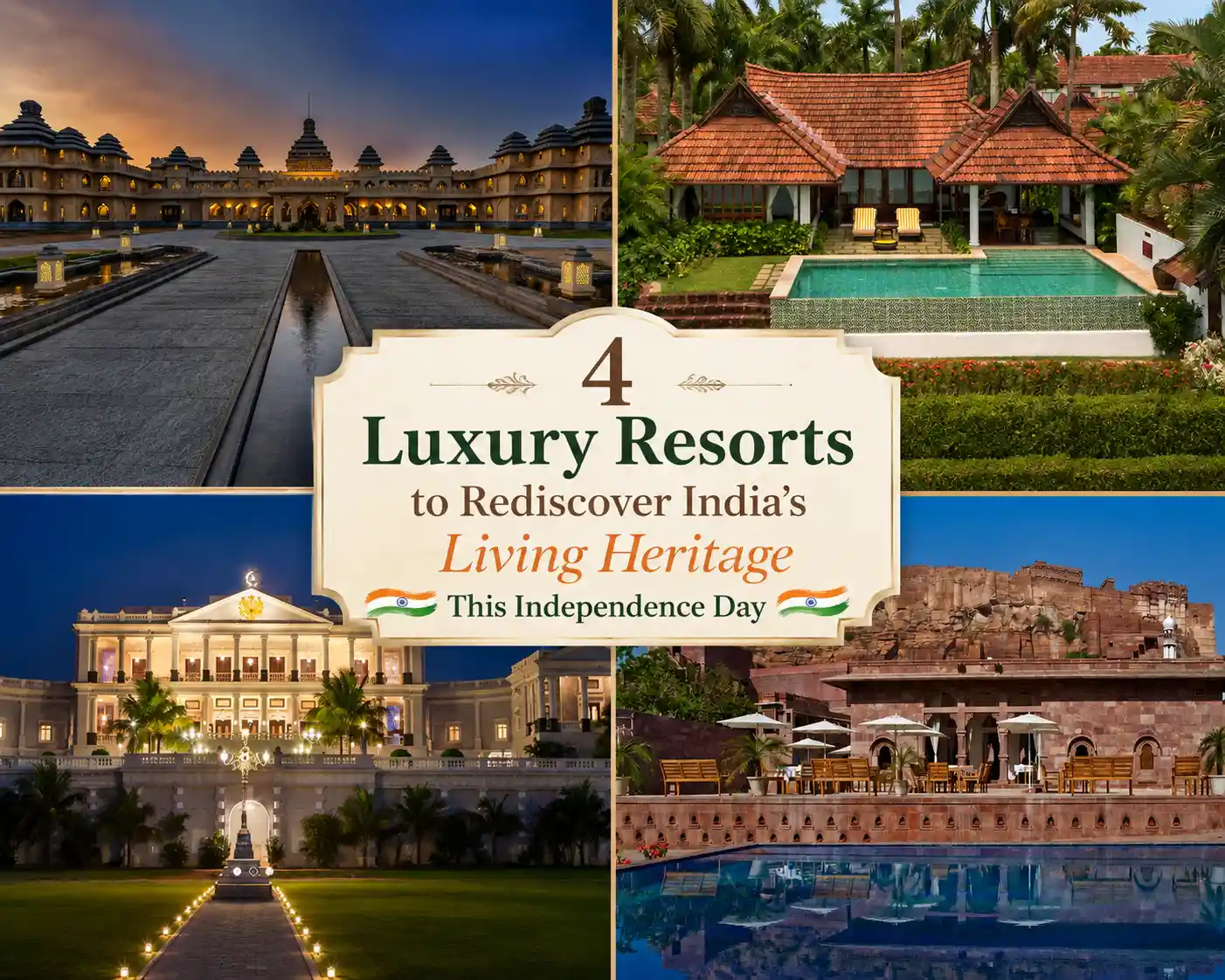
Independence Day is a celebration of India’s journey as a nation, but it is also an opportunity to reconnect with the many histories, traditions and cultural influences that have shaped the country. Across India, heritage continues to live beyond monuments and museums, in architecture, local traditions, food, stories, and landscapes that remain part of everyday life.
This Independence Day, a long-weekend escape can offer a chance to experience this living heritage first-hand, through stays that bring travellers closer to the character and history of their destinations.
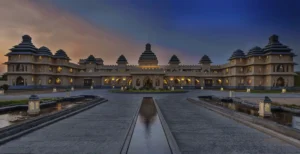
Set amidst the boulder-strewn landscape of Hampi, Evolve Back Hampi draws inspiration from the architectural grandeur of the Vijayanagara Empire. Its Palace Suites and Private Pool Villas reflect the distinctive forms of Vijayanagara architecture, while the resort’s experiences take guests beyond the property to explore the history, mythology and cultural life of the region.
The Raya Trail offers insights into the lives of the Rayas of Vijayanagara, while the Vittalapura Walk follows the historic bazaar towards the Vitthala Temple, known for its musical stone pillars and iconic stone chariot. The Virupaksha Trail takes travellers across Hemakuta Hill and to some of Hampi’s best-known monuments, including the Virupaksha Temple and the Narasimha monolith.
The experience extends to the stories behind the ruins as well. At Story Corner, historians bring the Vijayanagara Empire to life through evening storytelling, while trails to Anegundi and Anjanadri introduce travellers to the villages, temples and landscapes surrounding Hampi.
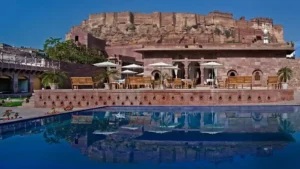
In the heart of Jodhpur’s walled city, RAAS Jodhpur combines contemporary hospitality with the architectural character of an 18th-century haveli. Original stone carvings, arches, shrines and restored structures sit alongside the property’s newer architecture, creating a setting where the history of the building remains an integral part of the stay.
The property’s Darikhana, originally built as the haveli’s guest house in the late 18th century, now serves as an alfresco dining space, while Baradari, an entertainment pavilion built in the 1850s, continues to serve as a gathering and dining space. The original stables have been adapted into intimate reading and relaxation spaces, while an 18th-century temple remains part of the courtyard.
Rather than recreating Rajasthan’s heritage as a backdrop, the property incorporates elements of its original architecture and history into the everyday guest experience.
3. Taj Falaknuma Palace, Hyderabad
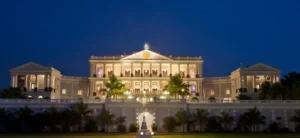
Once the residence of the Nizams of Hyderabad, Taj Falaknuma Palace offers a glimpse into the city’s royal past through its architecture, interiors and traditions. Perched high above Hyderabad, the palace has retained the character of its former royal residence while being adapted into a luxury hotel.
Guests can arrive at the palace in a horse-drawn carriage and walk through spaces once frequented by the Nizams, visiting dignitaries and members of the royal household. The palace’s restoration, undertaken under the stewardship of Her Highness Princess Esra, has preserved its historic character while adapting its 60 rooms and suites for contemporary stays.
Its culinary experiences also draw from Hyderabad’s rich gastronomic traditions, while curated city experiences allow guests to explore the art, culture and historic landmarks that continue to define the city.
4. Kumarakom Lake Resort, Kerala
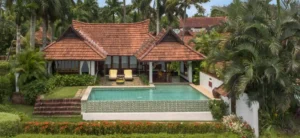
On the banks of Vembanad Lake, Kumarakom Lake Resort offers a window into Kerala’s architectural and cultural heritage against the backdrop of the state’s famed backwaters. Spread across 25 acres, the property combines traditional Kerala design elements with contemporary hospitality, creating a setting rooted in the region’s architectural identity.
The resort’s heritage character extends beyond its architecture through experiences centred on Kerala’s food, wellness and traditions. Its Ayurvedic offering draws from the state’s longstanding healing practices, while the surrounding backwaters provide an opportunity to experience the landscape and slower rhythms that have long shaped life in Kumarakom.
For travellers looking to experience Kerala beyond its better-known tourist attractions, the resort offers a base from which the region’s cultural and natural heritage can be experienced together.