

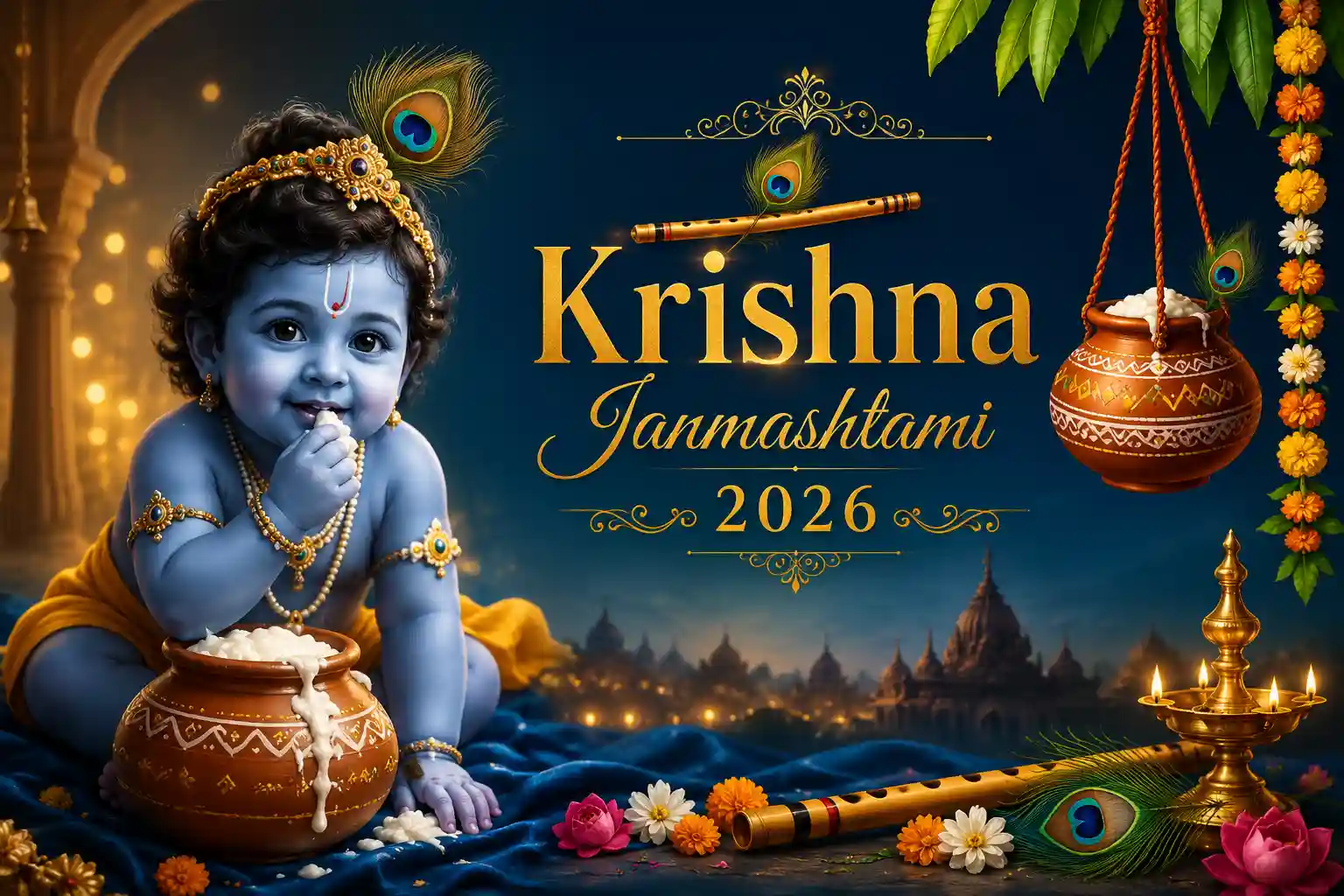
Krishna Janmashtami 2026 falls on Friday, September 4, marking the birth of Lord Krishna, the eighth avatar of Lord Vishnu, at midnight in Mathura. Also known as Gokulashtami, Krishnashtami, and Ashtami Rohini in different regions, this is one of the most spiritually significant festivals in the Hindu calendar, combining fasting, midnight worship, and elaborate food traditions.
Krishna Janmashtami 2026: Significance and Spiritual Importance
According to Hindu belief, Lord Krishna was born in a prison cell in Mathura to end the tyranny of the demon king Kansa, his maternal uncle. His birth is celebrated as the triumph of dharma (righteousness) over adharma, and Krishna’s later life — from his childhood pranks in Gokul to his role in the Mahabharata and the teachings of the Bhagavad Gita — is central to the festival’s devotional retellings. The Ashtami Tithi (eighth day of the dark fortnight) in the month of Bhadrapada, combined with the Rohini Nakshatra, is considered the exact astrological window in which Krishna was born, which is why the Nishita Kaal (midnight) puja holds special importance.
Krishna Janmashtami 2026 Puja Rituals
The celebrations of Krishna Janmashtami 2026 begin with fasting, devotional prayers, and beautifully decorated temples where devotees gather for the midnight birth celebrations.
The core rituals of Janmashtami centre around the midnight birth of Krishna. Devotees typically observe a day-long fast, some abstaining from food and water entirely, others allowing fruits and milk. Homes and temples decorate a jhula (swing) with a Bal Gopal idol, and at midnight, the idol is bathed in a Panchamrit (a mixture of milk, curd, honey, ghee, and sugar) in a ritual called Abhishek, then dressed and placed in the decorated cradle. Bhajans and kirtans are sung through the evening, culminating in an aarti at the exact moment of Krishna’s birth, after which the fast is broken with prasad.
Krishna Janmashtami 2026 Dahi Handi: The Festival’s Most Energetic Tradition
Dahi Handi, especially popular in Maharashtra, recreates young Krishna’s mischievous habit of stealing curd and butter from hanging pots. Groups of young men, known as Govindas, form human pyramids to reach and break a pot of curd suspended high above the street, accompanied by music, dancing, and cheering crowds. The tradition symbolises teamwork, playfulness, and devotion in equal measure, and has grown into a major community event with prize competitions in many cities.
Regional Variations Across India
Across India, Krishna Janmashtami 2026 will be celebrated with unique regional traditions, reflecting the country’s rich cultural diversity.
- Mathura and Vrindavan: The grandest celebrations, centred at the Shri Krishna Janmabhoomi Temple, believed to be Krishna’s actual birthplace, with midnight Janmotsav and continuous kirtans.
- Maharashtra: Known for large-scale Dahi Handi events with competitive human pyramids.
- South India: Homes decorate their entrances with small footprints made using rice flour paste, symbolising baby Krishna entering the household, and this region often refers to the festival as Ashtami Rohini or Gokulashtami.
- Manipur and Assam: Vaishnavite communities observe the festival with distinct devotional song and dance traditions rooted in regional Krishna bhakti movements.
Traditional Janmashtami Bhog and Prasad Recipes
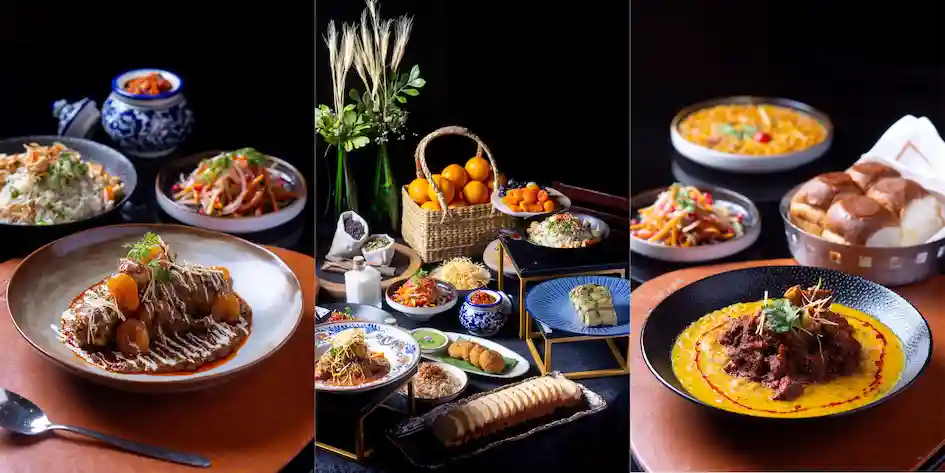
Preparing traditional bhog is one of the most cherished customs of Krishna Janmashtami 2026, with milk-based sweets and offerings dedicated to Lord Krishna.
Food is central to Janmashtami celebrations, particularly dishes associated with Krishna’s love for milk, butter, and sweets.
Makhan Mishri (Butter and Rock Sugar) The simplest and most symbolic offering, made by mixing fresh homemade white butter with crushed rock sugar (mishri). It directly represents Krishna’s childhood fondness for stolen butter and is usually the first item offered after the midnight aarti.
Panjiri A dry sweet made by roasting whole wheat flour or bajra flour in ghee, then mixing in powdered sugar, dry fruits, and edible gum (gond). Panjiri is a popular fasting-friendly prasad in North Indian households, often prepared a day in advance.
Kheer / Charoli Kheer A rice or charoli (chironji) based milk pudding, slow-cooked with sugar, cardamom, and nuts, is a common offering across most regions, symbolising abundance and devotion.
Dhaniya Panjiri A South-North fusion variant made with roasted coriander seed powder, ghee, and sugar, believed to be especially favoured in some Krishna temple traditions and prepared specifically for Janmashtami.
Fasting-Friendly Fruit Chaat For those observing a fruit-only fast, a simple fruit chaat with banana, apple, pomegranate, and a light rock-salt seasoning offers a light, energy-sustaining option through the day-long vrat.
Fasting Rules: What to Eat and Avoid
During Krishna Janmashtami 2026, devotees observe a sacred fast and follow specific dietary rules until the midnight puja or the completion of the Ashtami Tithi.
Most devotees observing the Janmashtami vrat avoid grains, lentils, and regular table salt, relying instead on fruits, milk, dry fruits, and rock salt (sendha namak) preparations. The fast is broken the following morning, typically after the Ashtami Tithi ends, with prasad and a regular meal.
FAQs
Whether celebrated at home or in temples, Krishna Janmashtami 2026 is a festival of devotion, faith, and joy that brings families and communities together.
# When is Krishna Janmashtami in 2026? Krishna Janmashtami 2026 falls on Friday, September 4, with the Nishita Kaal (midnight) puja considered the most auspicious time for worship.
# What is the significance of Dahi Handi? Dahi Handi recreates Krishna’s childhood habit of stealing curd and butter, symbolising teamwork and playful devotion. It is especially prominent in Maharashtra, where groups form human pyramids to break a hanging pot of curd.
# What food is offered as bhog on Janmashtami? Makhan mishri (butter and rock sugar), panjiri, and kheer are among the most traditional bhog offerings, chosen for their connection to Krishna’s childhood love of milk and butter-based foods.
# What are the fasting rules for Janmashtami? Devotees typically avoid grains, lentils, and regular salt, consuming fruits, milk, and rock-salt preparations instead, breaking the fast the following morning after the Ashtami Tithi ends.
# Why is Janmashtami celebrated at midnight? Lord Krishna is believed to have been born at midnight during the Rohini Nakshatra, so the main puja and aarti are performed during this Nishita Kaal window to align with the exact moment of his birth.
May Krishna Janmashtami 2026 bring peace, prosperity, happiness, and divine blessings to everyone celebrating this sacred festival.